
Lanna on Screen: A Cinematic Destination
Northern Thailand on the silver screen
The Renaissance of Lanna Cinema
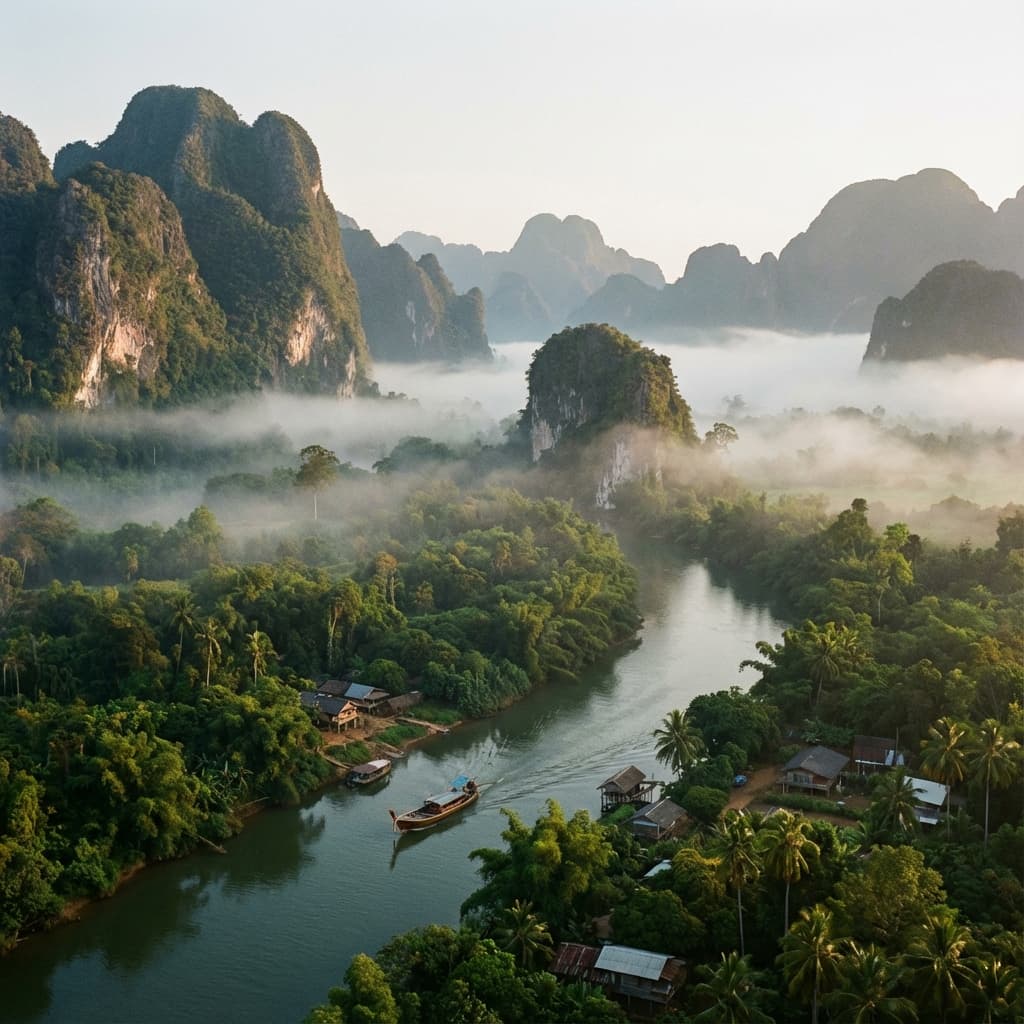
Northern Thailand has evolved from a mere "stand-in" location for Vietnam War epics into a sophisticated production hub for global cinema. The region's topography—mist-shrouded mountains, dense jungles, and diverse architecture—combined with government incentives (up to 30% cash rebates) has attracted major Hollywood and Asian productions. This section explores how the Lanna landscape has been immortalized on screen and how film tourism has reshaped the region.
Key Productions Shot in Northern Thailand
1. Lost in Thailand (2012)
- The Phenomenon: This low-budget Chinese comedy directed by Xu Zheng became the highest-grossing film in Chinese history at the time. The plot follows rival businessmen on a chaotic road trip to Chiang Mai.
- Locations: The film features Chiang Mai University, Wat Phra That Doi Suthep, and the Le Méridien Chiang Mai. The scenes of releasing lanterns during Yi Peng introduced millions of Chinese viewers to Lanna culture.
- Impact: The film single-handedly triggered a tourism boom. Chinese visitor numbers to Chiang Mai surged by 93% in a single year. Locations like Chiang Mai University became so popular that the campus had to institute tour trams to manage the influx of fans.
2. The Creator (2023)
- Futuristic Lanna: Gareth Edwards' sci-fi epic used Thailand to depict "New Asia." The limestone cliffs of Chiang Dao and the landscapes of Sangkhlaburi provided a stunning, natural backdrop for the film's futuristic structures.
- Innovation: The production proved that Northern Thailand could host high-concept sci-fi. By blending real-world geography with CGI, the film created a grounded, authentic future aesthetic that stood in contrast to purely green-screen productions.
3. American Gangster (2007)
- Gritty Realism: Ridley Scott transformed areas north of Chiang Mai into the Golden Triangle opium fields of the 1970s. A fully functional opium processing center and traditional village were constructed from scratch in a peanut field two hours north of the city.
- Urban Scenes: The production also utilized Warorot Market (Kad Luang) to capture the chaotic energy of Southeast Asian trade hubs. The market's narrow alleys and sensory overload provided an authentic texture that studio sets could not match.
4. No Escape (2015)
- Urban Thriller: Starring Owen Wilson and Pierce Brosnan, this thriller used the Imperial Mae Ping Hotel (now InterContinental Chiang Mai The Mae Ping) as a central character. The film utilized the hotel's proximity to the Night Bazaar to stage tense urban escape sequences, showcasing Chiang Mai's modern city streets and river crossings. Although the country in the film is unnamed, the geography is unmistakably Chiang Mai.
5. Air America (1990)
- The Pioneer: This Mel Gibson and Robert Downey Jr. film put Mae Hong Son on the map. The production used the remote Mae Sariang airstrip and the valleys of the north to stand in for Laos during the Secret War. It was a logistical triumph that established the north's capacity to handle large-scale aerial filming and complex pyrotechnics.
6. Rambo (2008)
- Action Icon: Sylvester Stallone returned to the jungle for the fourth installment of the Rambo franchise. Filmed in the jungles of Mae Rim and Sri Lanna National Park, the movie utilized the region's proximity to the Myanmar border to tell a story about the Karen conflict. Stallone spent months in Chiang Mai, frequenting local spots like The Duke's restaurant, bridging the gap between Hollywood celebrity and local expat culture.
Film Tourism: Following the Trail
For visitors, these movies offer a unique itinerary. You can visit the Mae Ping Hotel to see the setting of No Escape, drive the winding roads of the Samoeng Loop seen in car commercials and road trip films, or explore Chiang Dao to walk the landscapes of The Creator. This blend of pop culture and heritage adds a modern layer to the Lanna story, proving that the kingdom's visual power remains undiminished.