
Lanna Today, Chiang Mai, and the Future
Where ancient heritage meets modern innovation
Creative Lanna: Tradition Meets Innovation
Today, Lanna is not just history; it is a brand and an economic strategy. Chiang Mai is a member of the UNESCO Creative Cities Network (Crafts and Folk Art). This designation recognizes the city's effort to pivot from mass tourism to a value-added "Creative Economy."
- Modern Craft: Universities and collectives (like the Creative Lanna Development Center at CMU) are helping artisans modernize traditional designs—turning bamboo weaving into high-end furniture and hill tribe textiles into haute couture. Events like Chiang Mai Design Week showcase this fusion of local wisdom and modern aesthetics.
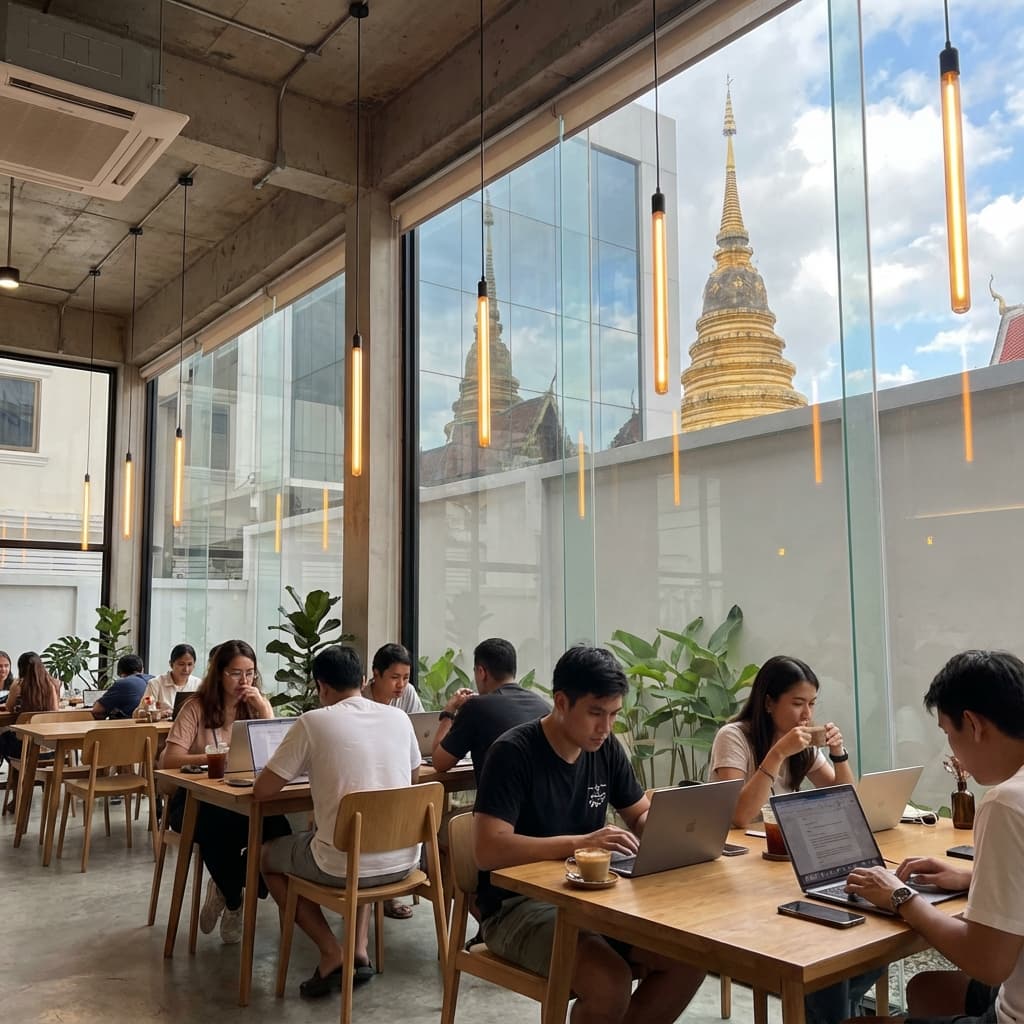
- Digital Hub: Chiang Mai has emerged as a global capital for Digital Nomads, drawn by the quality of life, cafe culture, and internet infrastructure. This influx of global talent is creating a new layer of cultural exchange, blending Silicon Valley tech with Lanna "slow life".
UNESCO World Heritage Ambitions
Chiang Mai has been on the UNESCO Tentative List since 2015 for its "Monuments, Sites and Cultural Landscape."
- Status: As of 2024-2025, Thai agencies are finalizing the nomination dossier to be submitted to the World Heritage Centre. The bid focuses on Chiang Mai's unique urban planning (cosmology-based), its unbroken living heritage, and the sacred axis between Doi Suthep and the Old City. Inscription would boost conservation efforts but also bring challenges regarding gentrification and tourism management.
Infrastructure and Connectivity
The north is physically transforming.
- High-Speed Rail: Plans for a high-speed rail link from Bangkok to Chiang Mai (Northern HSR Phase 2) are in the study phase, utilizing Japanese Shinkansen technology. While construction is years away, it promises to reduce travel time to 3-4 hours, integrating Lanna fully into the ASEAN economic corridor.
- Urban Transit: Chiang Mai is developing plans for a light rail transit (LRT) system to manage traffic congestion and preserve the Old City environment, reducing reliance on private cars and songthaews.
Future Challenges
The future of Lanna involves balancing growth with identity. Challenges include:
- Environmental Haze: Seasonal air pollution (PM2.5) from agricultural burning is a major threat to health and tourism during the dry season (February-April).
- Overtourism: Managing the influx of visitors (driven by films and cheap flights) to ensure they respect sacred sites and contribute to the local economy rather than just consuming it.
- Cultural Commodification: Ensuring that "Lanna" remains a living culture for locals, not just a performance for tourists.